In our work we see a significant number of children with restricted tongues or “tongue ties”. A tongue tie limits the movement of the tongue so that the other muscles of the face have to adapt during speech and swallowing. Many children have a restricted tongue that is not picked up early as they have been able to adapt their speech and swallowing at an early age.
Tongue tie is defined as ‘embryological remnant of tissue in the midline between the undersurface of the tongue and the floor of the mouth that restricts normal tongue movement’.
Elevation is responsible for the clear pronunciation of the letters “D”, “T”, “N”, and “L. Another clue to a restricted tongue frenum is a lisp at the front or sides of the teeth when pronouncing the “S” sound. Adequate movement of the tongue is also key in proper swallowing of liquids and food.
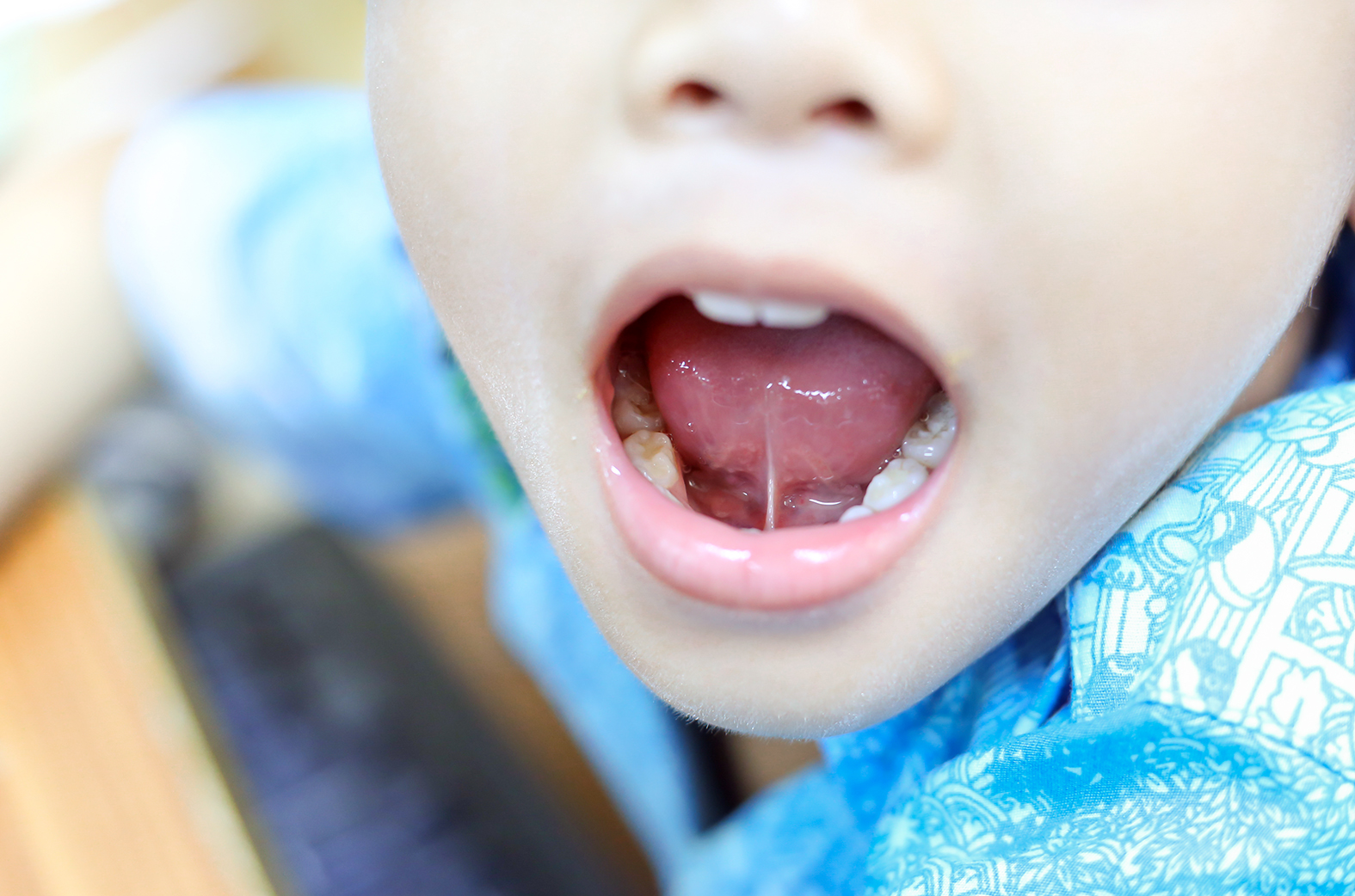
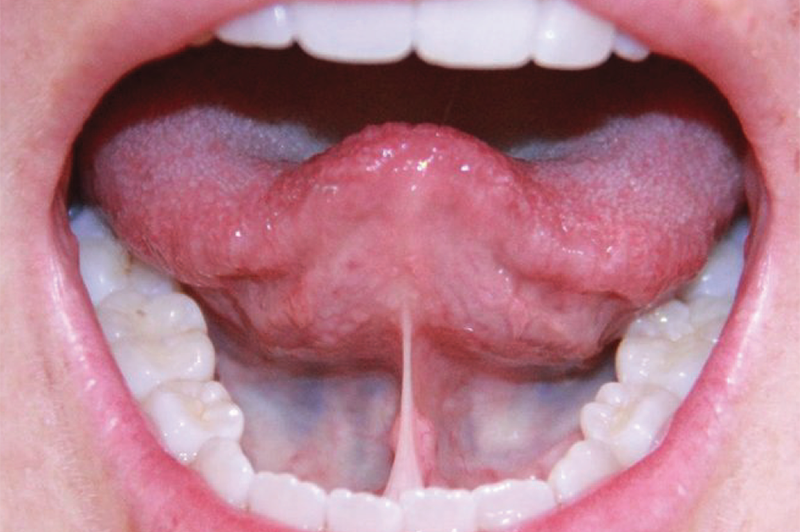

Children who have a restricted tongue often have difficulty with eating, chewing and swallowing, and tend to chew noisily and often have an overactive gag reflex. One of the reasons tongue restriction can go unnoticed by professionals and parents is because many children with restricted tongues can extend their tongue, which is the typical quick “tongue tie” assessment. It is, however, the elevation of the tongue that is one of its most important functions.
The elevation of the tongue is also extremely important in the support of the upper arch during development. The tongue is ideally situated in the roof of the mouth upon rest during dental development and encourages proper growth of the jaws. A restricted tongue tends to rest on the floor of the mouth. The tongue is responsible for clearing the mouth after eating, and many children and adults with tongue tie develop dental problems such as gum disease and decay due to difficulty in maintaining adequate dental hygiene.
Orofacial Myofunctional Therapy can help reinstate the proper functions of the tongue so that proper swallowing and tongue rest postures can be possible. This is usually done in conjunction with minor surgery called a frenectomy (a simple procedure performed under local anaesthetic by an experienced dentist, oral surgeon or ENT).
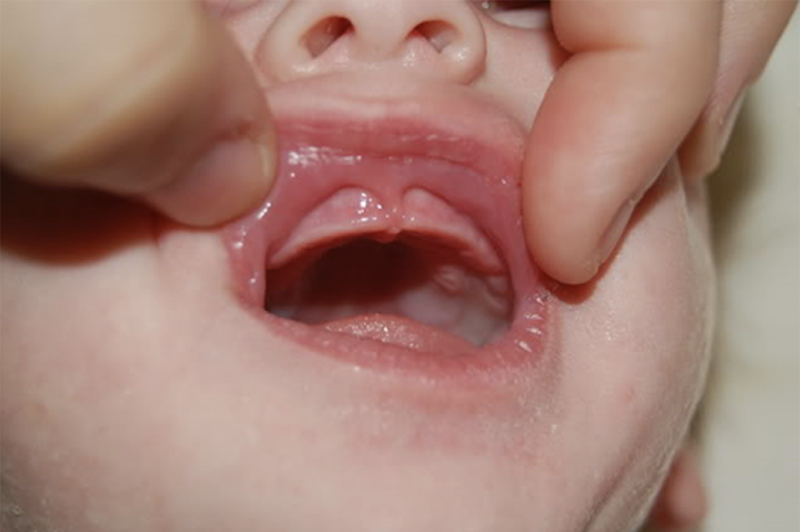
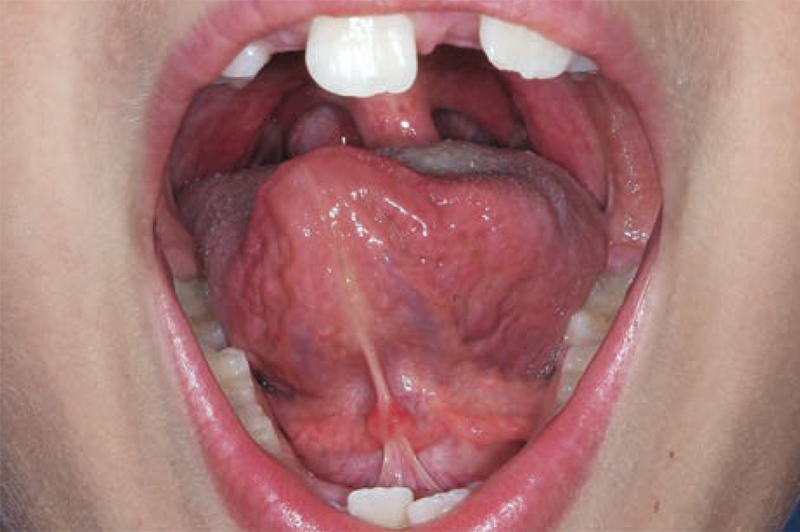

Signs your BABY may have a restricted frenum:
- Issues latching
- Sucking blisters
- Long feeds
- Persistent grazed nipples
- Clicking sounds when feeding
Signs your CHILD might have a restricted frenum:
- Delayed development of speech or deterioration of speech
- Issues with eating such as choking and gagging
- Inability to eat age-appropriate foods
- Problems with dribbling
- The tongue sits low or is visible between the teeth (low tongue posture or forward tongue position)
Signs YOU may have a restricted frenum as an ADULT:
- Difficulty with clear speech or mumbling
- Lisping on words
- Jaw pain or clicking or popping of the jaw

OUR FREQUENTLY ASKED QUESTIONS!
USEFUL DENTAL RESOURCES AND FURTHER READING
If you would like to read more about Infant Tongue Tie, please head to https://www.kiddiesdentalcare.com.au/infant-tongue-tie/
Thanks to our wonderful Oral Health Therapist, Chandra
He works at the Essendon clinic in Napier Street.
If you would like to talk to him or any of our amazing team, about this or any other questions you may have, please contact us on 03 9372 8960.